

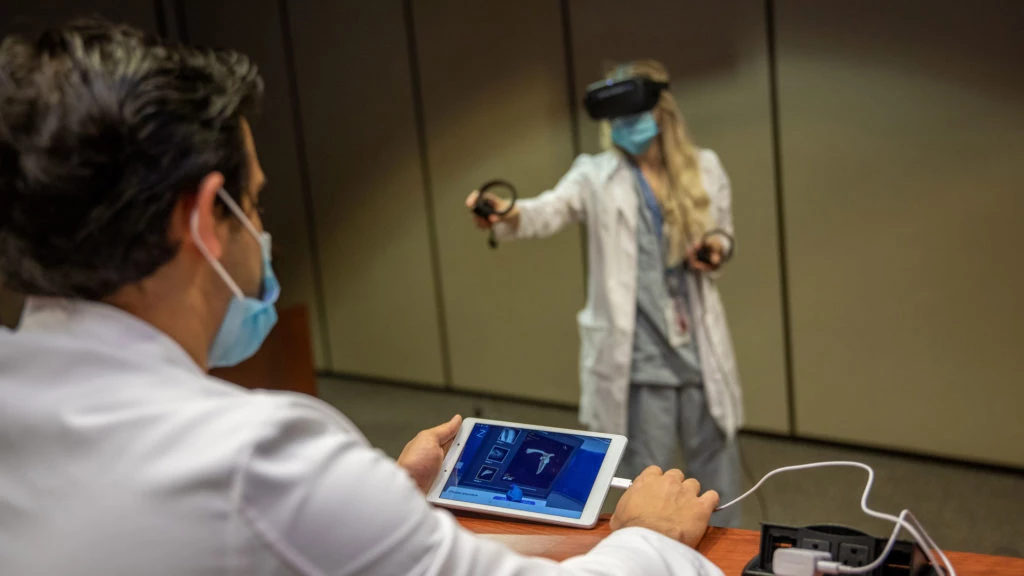
Virtual reality surgical training has generated a lot of excitement in medical education – but does it actually work? For surgical residents and program directors evaluating new training tools, the central question is whether practicing in VR translates into real-world surgical skill and better outcomes. The evidence to date is very promising: numerous studies, trials, and program experiences have shown that VR training (such as the PrecisionOS platform) can significantly improve surgical performance and knowledge, often matching or even surpassing traditional training methods on key metrics. Below, we answer this question in detail with data and findings from the latest research and experiences.
Monthly Archives: January 2026
08
Jan
Jan
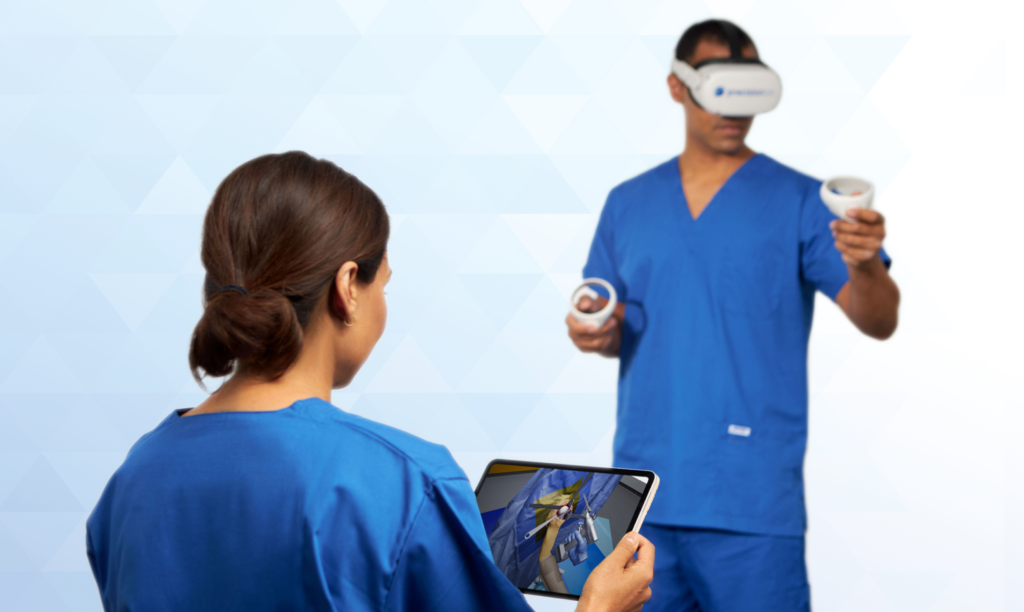
PrecisionOS is a virtual reality (VR) surgical training platform that offers an innovative alternative to traditional surgical training methods. Traditional training for surgical residents often relies on observing real surgeries, assisting when possible, practicing on cadavers or simulators, and gradually taking on cases under supervision. In contrast, PrecisionOS provides immersive, hands-on virtual simulations that complement this apprenticeship model. Below, we break down the key differences and advantages of PrecisionOS VR training versus conventional training approaches, with evidence from research and user experiences.